

Key takeaways:
- New migrants often face social isolation due to language barriers, cultural differences and limited local networks.
- Manage homesickness by balancing online communication with home and building new, real-life connections in your community.
- Proactively build friendships by joining hobby groups, volunteering and attending local events to meet people with similar interests.
- Improve English skills and learn about Australian customs to overcome feelings of cultural disconnection.
- Build a diverse network by making friends with locals and people from other cultures, which enriches personal life and professional opportunities.
Moving to Australia brings many opportunities but can also lead to feelings of social isolation. Language barriers, limited local networks and adjusting to unfamiliar cultural norms often make it challenging for migrants to feel settled. These difficulties can impact both personal wellbeing and professional goals. This guide offers practical advice to help you build meaningful connections and overcome loneliness.
Coping with homesickness
Feeling homesick is a natural experience for many migrants and expats. Staying connected with family and friends through calls, messages, or social media can offer important emotional support. However, relying too much on virtual connections may limit your involvement in the local community and slow down the process of settling in.
Balancing online communication with active participation in your surroundings is essential. By focusing more on building real-life relationships and routines, you can start to feel more comfortable and connected in your new environment.
To manage homesickness: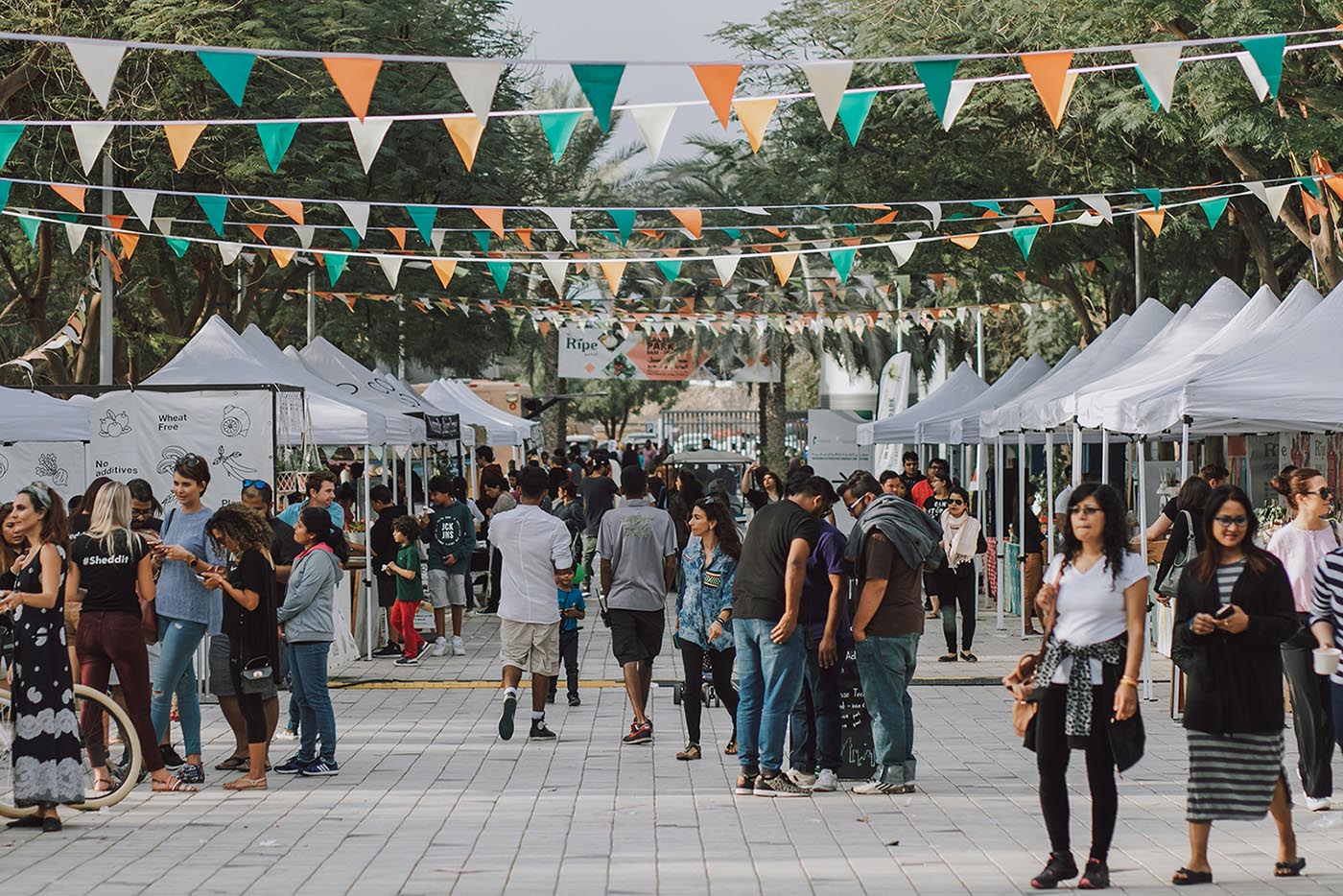
- Explore your local area and try new activities
- Establish daily routines that involve going outside and meeting people
- Balance online communication with real-life interaction
Avoid getting stuck focusing only on the past. Being present in your new community will help you build connections and feel more settled.
Difficulty building local friendships
Making friends in a new country is not always easy. Differences in culture and language, along with busy work or study schedules, can make it harder to meet people. Sometimes, migrants feel like they don’t fit in or wonder if something is wrong with them.
Here are some tips to help you build local friendships:
- Connect with other migrants or expats who understand what you are going through
- Volunteer with community groups, such as helping at aged care centres or local events
- Join clubs or hobby groups where you can meet people with similar interests
- Attend multicultural festivals or neighbourhood gatherings
Be patient – building new friendships takes time but it is very rewarding.
Cultural disconnection
Living in a new culture requires adjusting to different customs and social expectations, which can sometimes feel confusing or isolating.
Language barriers often make communication more difficult and can add to the sense of being an outsider. To overcome this cultural disconnect, it helps to actively improve your English skills, such as by attending language classes and to engage in cultural exchange activities or community events where you can learn more about Australian customs.
Connecting with multicultural organisations that support migrants can provide valuable guidance and resources. Maintaining an open mind and showing genuine curiosity by asking questions and listening to others’ experiences will also help you feel more comfortable and better integrated into your new environment.
Navigating the ‘Migrant Friend Zone’
While it’s natural to first connect with people from your own cultural background, it’s important to gradually expand your social circle.

You can do this by volunteering in community projects, attending local networking events or business groups, joining sports teams, art classes or other hobby activities outside your community and practising English in everyday social situations.
Building friendships with locals and people from different cultures not only enriches your personal life but also helps you feel more connected to your new environment. These diverse connections can support your wellbeing, open doors to new opportunities and even enhance your professional or business growth.
How to deal with loneliness
Here are some practical tips:
- Get regular exercise, such as walking, yoga or team sports – physical activity boosts mood and helps you meet people
- Pursue hobbies or learn new skills, like cooking classes or gardening clubs
- Use online communities and social media groups for migrants in your area to find support
- Consider talking to a counsellor or joining support groups if loneliness feels overwhelming
Remember, connection takes time. Be kind to yourself and keep trying – support is available, and you are not alone.

Social isolation is a common challenge for migrants in Australia, but it doesn’t have to last. By coping with homesickness, building friendships, learning about the culture and reaching beyond your comfort zone, you can create a strong support network. This will help you feel at home and succeed in your personal and business life.
Join the conversation: share your city below and connect with others through Migra Terra’s multicultural business hub. Together, we can overcome isolation and build a brighter future.
Become a migrapreneur